with a menu of photography, books, jazz, poetry, and other items occasionally

Saturday, January 22, 2011

Jazz Selections for 2010

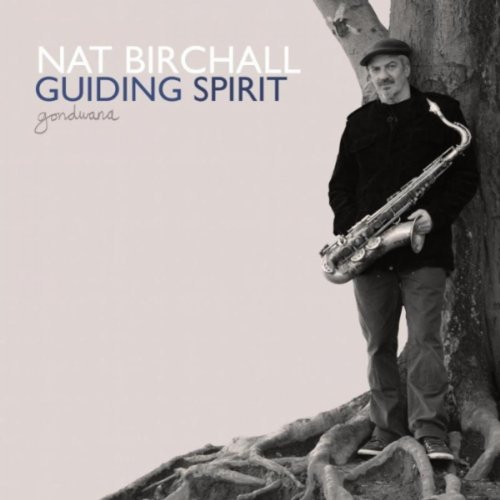
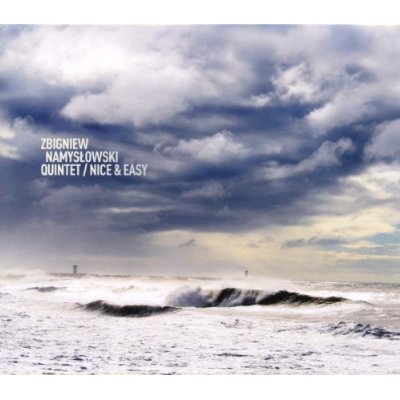
My selections for 2010 appear below but in no particular order. There are a couple of other releases from 2010 that I purchased and downloaded. I continue to play those releases in the car occasionally and have not yet made a definite decision about them. I admit that there were many other recordings released last year. Unless someone were to send me recordings for review, I am limited to what my budget allows. I usually purchase new releases based on my familiarity with the artist or on what I read about the music in reviews or online forums and on what I sample afterwards in an online video. Ketil Bjornstad is someone whose music I only discovered in 2010 when I read a favorable review at Jazz Breakfast . The forums devoted to new music at AllAboutJazz spoke highly of Nat Birchal's music--both Guiding Spirit and Akhenaten, his earlier release on Matthew Halsall's label. It surprises me that Zbigniew Namyslowski's newest release hasn't gotten much attention in either the US or the UK. I currently have Anat Fort's music in my alarm clock and find a great deal of pleasure in her newest release as I wake up to it. It is possible to deduce from these selections that jazz is truly international in its creation and its appeal.


Friday, December 10, 2010

Jazz Recordings

Some of the jazz sites have started to release their selections for the best jazz recordings released in 2010. My own selections will be forthcoming later in December or in early January. I have largely been listening to recordings from previous years, such as these two selections from 2009 and one selection from 2004.


I tend to listen to Matthew Halsall's Colour Yes while driving and find much to like in Halsall's trumpet, Nat Birchall's saxophone, Rachael Gladwin's harp, and Gavin Barras' bass. Even after many listens, I continue to wonder how Gavin Barras keeps time with his bass. He seems to come in after every five beats in "I Have Been Here Before."


Jon Hassell's Last Night the Moon Came Dropping its Clothes in the Street is the music I turn to most often when I type up grading comments for my students' essays. I am now starting to discover his earlier Power Spot but haven't yet listened to Maarifa Street / Magic Realism 2.


Jeff Ballard, the drummer for Fly, is truly amazing. His work on "Fly Mr. Freakjar," the second track on this recording, is mesmerizing and rhythmically brilliant. Larry Grenadier's bass on "JJ", the fourth track, is fascinating as well. An admirer of Fly's sophomore effort (Sky & Country), I only recently discovered their freshman effort.

Hay Bales in December

Traditionally thought of as an early fall activity, cutting hay has extended later into the fall season this year, perhaps because of the prolonged drought that we have been having. I recently found this field when I was out for a walk one afternoon and returned to it yesterday on what may be the last warm and sunny afternoon in these parts for a long time. These pictures continue to show my fascination with shadows. Clicking on any one picture will enlarge it.


Monday, November 08, 2010

James Howard Kunstler's The Witch of Hebron: A Review


James Howard Kunstler revisits Union Grove and Washington County in upstate New York in The Witch of Hebron, his sequel to a World Made by Hand. Set in an America of the future, after Washington, D.C., has been destroyed in a terrorist nuclear explosion because of this country’s protracted involvement in a Holy Land War, and after the economic collapse has ended all oil imports, the novel spans a period of two weeks in late October. The townspeople inhabit a world without electricity, rely on their own feet or horsepower for transportation, and subsist by exchanging their expertise in a field like carpentry or medicine for food and other necessities.

Kunstler provides enough exposition early in the novel to reacquaint readers with his America and to make it possible for a new reader to enjoy this book without having read the previous one. Having that acquaintance with a World Made by Hand makes it possible to fully appreciate his characters and their interactions.

Often violent, this novel reveals a time when order, particularly outside of Union Grove, no longer exists. Bandits like Billy Bones roam the county, looking for food, sex, something of value that can be exchanged later, or the material that will provide another stanza to their ballad of misdeeds.

Religious faith is often cast in doubt. Characters sometimes turn to the comfort of medicinal herbs and attach magical significance to the associations that we Euro-Americans have carried with us regarding the end of October.

Kunstler doesn’t ignore the sexual lives of his characters, proving particularly adept when describing the intimate relations of married couples. To his credit, Kunstler has created two strong female characters, Jane Ann Holder and Barbara Maglie. Young women, however, often have to give freely of their bodies.

In addition to the occasional sexism, one other drawback to the novel is the medical knowledge of an eleven-year-old, who is able to perform a sophisticated medical procedure after only having watched and assisted his father.

Kunstler, at first, splits the narrative by pursuing the actions of several different characters. At the climax of the novel, these characters are brought together in ways not expected. This control of Kunstler’s over his characters and his plot causes the reader to move through the novel quickly and to desire more of what happens in Union Grove, New York after the America we know has changed so drastically.